


Screen-wind-down: routines that protect sleep
Create an hour-before-bed buffer that protects sleep. Calm, screen-free routines help little bodies and brains slow down.
Read More
Parental controls 101: iOS, Android and smart TVs
Step-by-step basics for iOS, Android, and smart TVs. Filters, time limits, and child profiles that grow with your child.
Read More
Watching together: safer streaming for young children
Turn shows into learning with co-viewing questions and mindful endings. Profiles and autoplay settings made easy.
Read More
Choosing high-quality apps for early learners
A quick checklist for learning-forward apps—open-ended, calm, and privacy-respecting.
Read More
Your family media plan: a simple starter
Set simple rules that fit your day. Clear times, shared spaces, and gentle boundaries.
Read More
What we know about screens and language in the early years
How media use can crowd out conversation—and what to do instead. Co-viewing, pauses, and screen-free bubbles.
Read More
Shared reading works: what studies show
What research says about reading aloud—and how to get the most from storytime. Small daily habits, big long-term gains.
Read More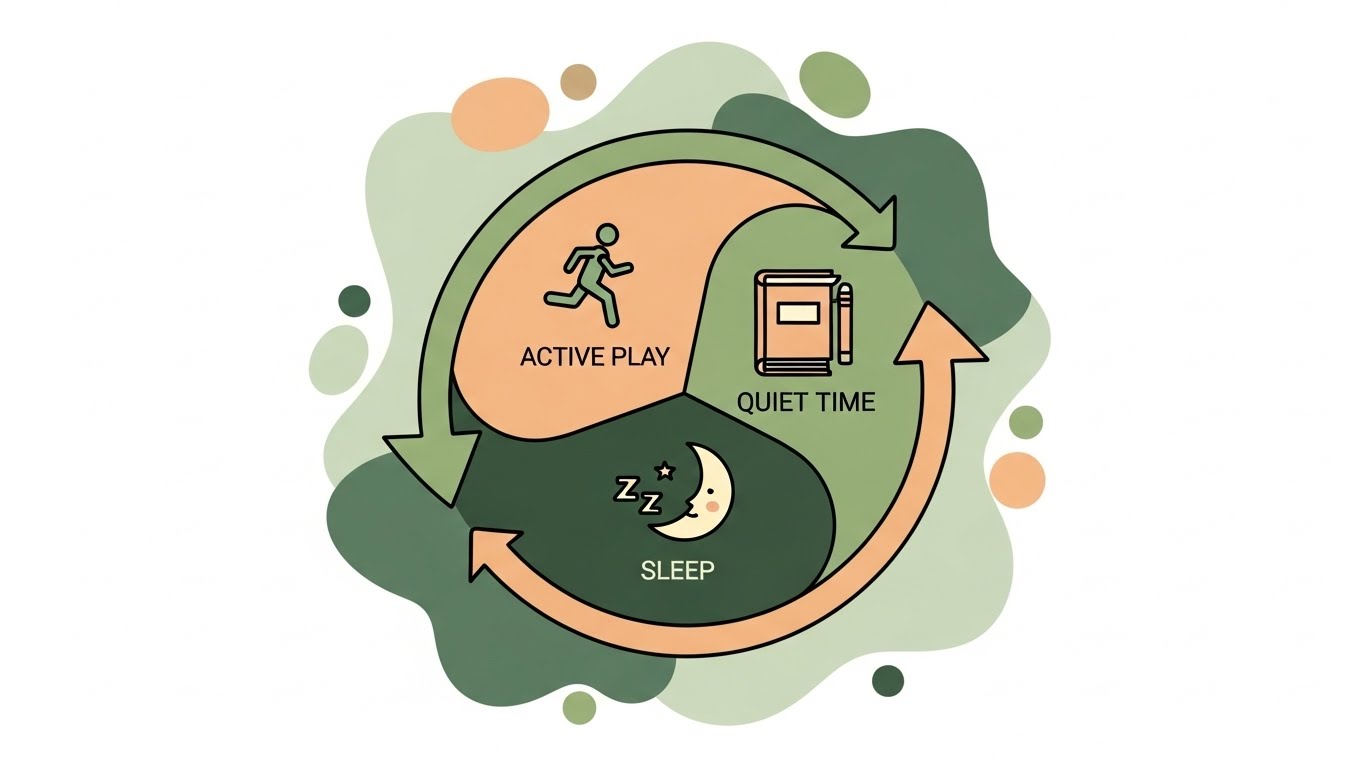
Move, sit and sleep: what the 24-hour guidelines say
What WHO/Canada’s 24-hour guidance looks like in real life. Balance active play, limited screens, and restorative sleep.
Read More
Getting started with peanuts: what the guidelines recommend
When and how to introduce peanut safely, step by step. Simple home methods and when to seek support.
Read More
Safer sleep, simplified: evidence-based essentials
Clear, evidence-based practices for infant sleep. Back to sleep, firm surface, room-share—made practical.
Read More
Little hands, big skills: fine-motor play for pencil-ready hands
Playful activities strengthen fingers and hands for self-care and early writing. Hands-on over worksheets.
Read More
Storytime that sticks: reading aloud and dialogic reading
Make reading interactive with questions, predictions, and playful voices. Short routines that spark lifelong literacy.
Read More
Everyday math and science: curiosity builders at home
Count, compare, sort, and experiment in daily routines. Snack time and clean-up become discovery time.
Read More
Nearby nature: outdoor play—even in small spaces
Bring nature into small spaces with containers, treasure trays, and local walks. Gentle safety, big curiosity.
Read More
Play at home, learn for life: easy indoor ideas
Low-prep, high-joy indoor play that builds language, movement, and creativity. Simple setups with everyday materials.
Read More
Toileting and self-care readiness
Readiness cues, relaxed routines, and positive language for toilet learning. Tips for setbacks, night dryness, and confidence.
Read More
Keep growing, check in: developmental milestones and when to ask for help
Milestone ranges to celebrate progress and spot early concerns. How to use checklists—and why early support matters.
Read More
Rest that restores: sleep needs and soothing bedtime rhythms
Age-appropriate sleep ranges plus gentle wind-down ideas. Build a bedtime rhythm that protects rest without stress.
Read More
Two languages, one growing brain: raising children in bilingual homes
Support both languages with consistent, meaningful use at home and in the community. Myths debunked, easy routines included.
Read More
Early talkers: building language and conversation
Turn everyday moments into rich conversation with serve-and-return, songs, and stories. Know when to check in about speech and language.
Read More
Calm spaces for little feelings: creating a cozy corner
Set up a soft, inviting spot with visual supports and simple strategies. Children learn to choose tools that help them reset.
Read More
Welcoming a new baby: helping your child feel connected
Prepare siblings with stories, special roles, and protected one-to-one time. Keep anchor routines so everyone feels included.
Read More
Sharing, turn-taking and social skills
Grow patience, kindness, and cooperation through play. Timers, small jobs, and specific praise make social skills stick.
Read More
Emotion coaching and warm limits
Pair empathy with clear, warm limits to guide behaviour. Try short scripts that name feelings, offer choices, and teach calming tools.
Read More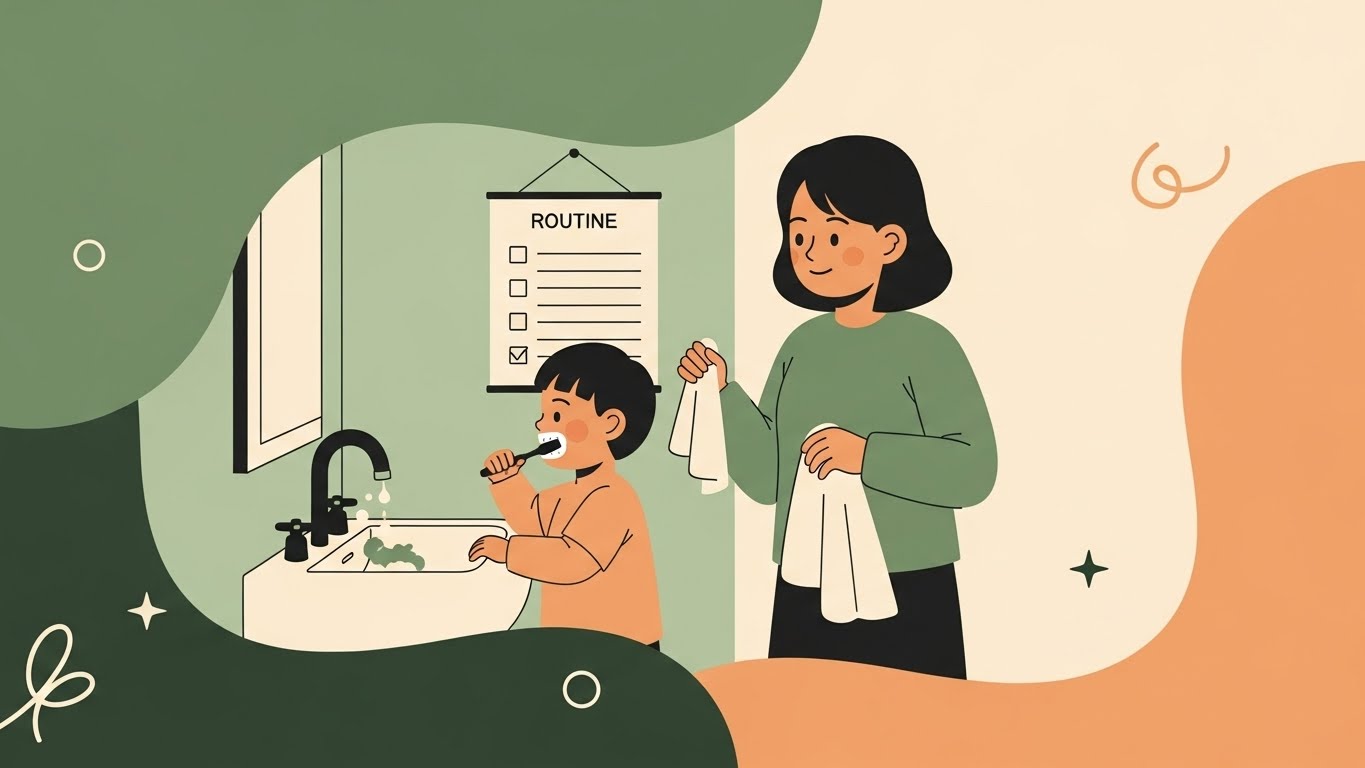
Calm routines at home and school
Simple, predictable flows for mornings, meals, and bedtime help children feel secure and cooperative. Use visual cues and gentle choices to smooth transitions.
Read More Toileting and self-care readiness
Readiness cues, relaxed routines, and positive language for toilet learning. Tips for setbacks, night dryness, and confidence.
Read More Keep growing, check in: developmental milestones and when to ask for help
Milestone ranges to celebrate progress and spot early concerns. How to use checklists—and why early support matters.
Read More Rest that restores: sleep needs and soothing bedtime rhythms
Age-appropriate sleep ranges plus gentle wind-down ideas. Build a bedtime rhythm that protects rest without stress.
Read More Two languages, one growing brain: raising children in bilingual homes
Support both languages with consistent, meaningful use at home and in the community. Myths debunked, easy routines included.
Read More Early talkers: building language and conversation
Turn everyday moments into rich conversation with serve-and-return, songs, and stories. Know when to check in about speech and language.
Read More Little hands, big skills: fine-motor play for pencil-ready hands
Playful activities strengthen fingers and hands for self-care and early writing. Hands-on over worksheets.
Read More Storytime that sticks: reading aloud and dialogic reading
Make reading interactive with questions, predictions, and playful voices. Short routines that spark lifelong literacy.
Read More Everyday math and science: curiosity builders at home
Count, compare, sort, and experiment in daily routines. Snack time and clean-up become discovery time.
Read More Nearby nature: outdoor play—even in small spaces
Bring nature into small spaces with containers, treasure trays, and local walks. Gentle safety, big curiosity.
Read More Play at home, learn for life: easy indoor ideas
Low-prep, high-joy indoor play that builds language, movement, and creativity. Simple setups with everyday materials.
Read More Screen-wind-down: routines that protect sleep
Create an hour-before-bed buffer that protects sleep. Calm, screen-free routines help little bodies and brains slow down.
Read More Parental controls 101: iOS, Android and smart TVs
Step-by-step basics for iOS, Android, and smart TVs. Filters, time limits, and child profiles that grow with your child.
Read More Watching together: safer streaming for young children
Turn shows into learning with co-viewing questions and mindful endings. Profiles and autoplay settings made easy.
Read More Choosing high-quality apps for early learners
A quick checklist for learning-forward apps—open-ended, calm, and privacy-respecting.
Read More Your family media plan: a simple starter
Set simple rules that fit your day. Clear times, shared spaces, and gentle boundaries.
Read More Calm spaces for little feelings: creating a cozy corner
Set up a soft, inviting spot with visual supports and simple strategies. Children learn to choose tools that help them reset.
Read More Welcoming a new baby: helping your child feel connected
Prepare siblings with stories, special roles, and protected one-to-one time. Keep anchor routines so everyone feels included.
Read More Sharing, turn-taking and social skills
Grow patience, kindness, and cooperation through play. Timers, small jobs, and specific praise make social skills stick.
Read More Emotion coaching and warm limits
Pair empathy with clear, warm limits to guide behaviour. Try short scripts that name feelings, offer choices, and teach calming tools.
Read More Calm routines at home and school
Simple, predictable flows for mornings, meals, and bedtime help children feel secure and cooperative. Use visual cues and gentle choices to smooth transitions.
Read More What we know about screens and language in the early years
How media use can crowd out conversation—and what to do instead. Co-viewing, pauses, and screen-free bubbles.
Read More Shared reading works: what studies show
What research says about reading aloud—and how to get the most from storytime. Small daily habits, big long-term gains.
Read More Move, sit and sleep: what the 24-hour guidelines say
What WHO/Canada’s 24-hour guidance looks like in real life. Balance active play, limited screens, and restorative sleep.
Read More Getting started with peanuts: what the guidelines recommend
When and how to introduce peanut safely, step by step. Simple home methods and when to seek support.
Read More Safer sleep, simplified: evidence-based essentials
Clear, evidence-based practices for infant sleep. Back to sleep, firm surface, room-share—made practical.
Read More