

Shared reading works: what studies show
Parents often hear that reading to young children is important, but research underscores just how powerful it can be. Regular shared reading not only boosts vocabulary but also strengthens parent–child bonds and sets the stage for future learning.
Why shared reading matters
Shared reading exposes children to a wide variety of words and grammatical structures they might not encounter in everyday conversation. Reading aloud builds attention, listening skills and imagination. Studies show that children who are read to frequently perform better in language and literacy tasks later in school. The benefits extend beyond language; cuddling up with a book fosters closeness and security[9].
Prompting interaction
Interactive techniques such as dialogic reading enhance the benefits. Ask open‑ended questions about the pictures, encourage your child to predict what will happen next and let them turn pages. Make reading a daily routine, whether at bedtime, after breakfast or before a nap. Follow your child’s interests: choose books about things they love and repeat favourite stories—repetition solidifies learning.
Paper books versus fast‑paced media
While digital books and children’s shows can be entertaining, physical books offer a tactile experience that screens cannot replicate. Turning pages, pointing to pictures and snuggling close all contribute to the learning experience. If you choose digital stories, select those that emphasise reading and avoid distracting games or advertisements. Always co‑view to provide context and discussion.
References: 2020 meta‑analysis – Parent–child book reading and language outcomes; CPS – Read, Speak, Sing: promoting early literacy; AAP – Reading aloud and early literacy guidance; DREME – Family Math activities emphasising early literacy[9].
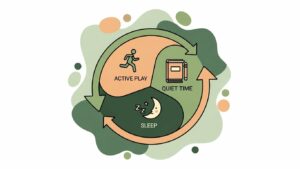
Move, sit and sleep: what the 24-hour guidelines say


