
Little hands, big skills: fine-motor play for pencil-ready hands
Fine‑motor skills involve the small muscles of the hands and fingers. Developing these skills prepares children for holding utensils, dressing themselves and eventually writing and drawing. Playful practice builds strength and coordination without pressure.
What fine motor looks like
Between ages two and three, children begin stacking blocks, turning pages and scribbling with crayons. By age four, they can cut simple shapes with scissors, draw people with three or more body parts and start dressing and undressing with minimal help. Around age five, many children copy letters, button and unbutton and use utensils with supervision. Progress varies widely; focus on offering opportunities rather than hitting milestones on a strict timeline[7].
Household materials that build dexterity
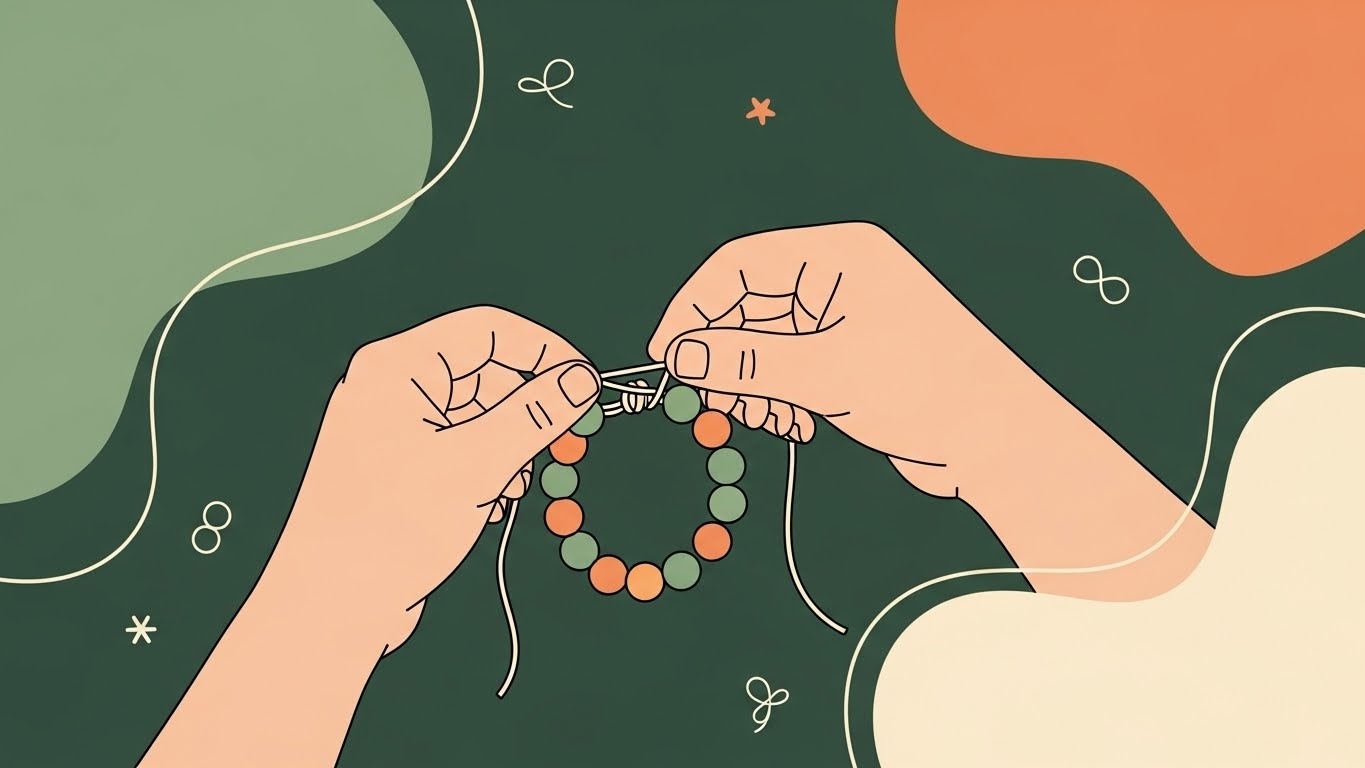
Everyday items are perfect for fine‑motor play. Offer tongs, tweezers or clothes pegs to pick up cotton balls or pom‑poms. Provide playdough for squeezing, rolling and cutting. Invite your child to thread pasta onto string, peel stickers or tear paper for collage. Encourage drawing, colouring and painting with various mediums. Pouring water or rice between containers, sorting buttons by colour or building with interlocking bricks all build dexterity. Make it fun by joining in and celebrating effort.
Hands‑on play versus worksheets
Worksheets and tracing sheets are often marketed for preschoolers, but research shows that hands‑on, play‑based activities are far more effective for developing fine‑motor skills[7]. Free drawing builds creativity and control more than copying dotted lines. Let children experiment with different grips and movements. When they are ready to learn to write, demonstrate how to hold a pencil gently and let them practise with short sessions rather than drills. Praise their attempts rather than perfection.
References: Cleveland Clinic – Fine motor skills and development[7]; CDC – Milestones for drawing and fine‑motor tasks; CPS – Developmental milestones and when to expect them[8]

Storytime that sticks: reading aloud and dialogic reading