
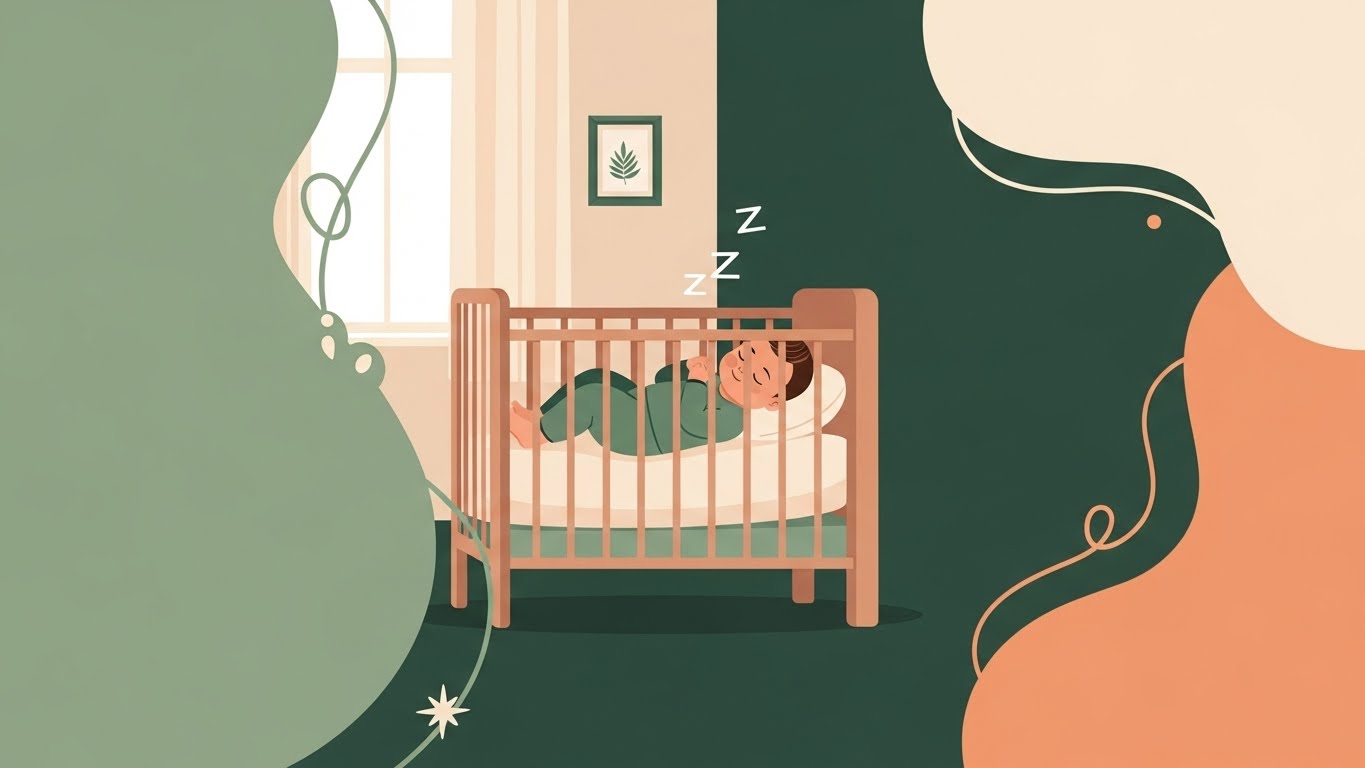
Safer sleep, simplified: evidence-based essentials
New parents receive a lot of advice about infant sleep. Following evidence‑based guidelines helps reduce the risk of sudden infant death syndrome (SIDS) and other sleep‑related dangers while promoting healthy sleep habits.
Safe sleep basics
Put your baby to sleep on their back, on a firm, flat surface such as a safety‑approved crib or bassinet. Use a tight‑fitting sheet and keep soft objects, blankets and bumpers out of the sleep area. Share a room with your baby for at least the first six months, ideally the first year, but avoid bed‑sharing. Maintain a smoke‑free environment and avoid overheating; dress your baby in light sleepwear and keep the room at a comfortable temperature. Offer a pacifier at naps and bedtime, once breastfeeding is established, as it may reduce SIDS risk. Make sure everyone who cares for your baby knows these guidelines.
A simple bedtime flow
A consistent routine helps your baby learn when it’s time to sleep. Examples include a bath, quiet feeding, a gentle lullaby and placing your baby in the crib drowsy but awake. Respond to cries promptly but avoid feeding to sleep every time; allow your baby a moment to self‑soothe. During night feedings, keep lights dim and interactions quiet. Daytime tummy time, supervised play and exposure to natural light support healthy sleep patterns.
Room sharing versus bed sharing
Room sharing means your baby sleeps in their own crib or bassinet next to your bed. This makes night‑time feeding and soothing easier and can reduce the risk of SIDS. Bed‑sharing increases the risk of suffocation and is not recommended. If you feel sleepy while feeding your baby, move to a firm, clutter‑free surface and place the baby back in their crib as soon as you wake. Discuss safe sleep plans with all caregivers.
References: AAP 2022 policy on safe infant sleep; NHS – Helping babies sleep safely; CPS – Safe sleep guidance.

Little hands, big skills: fine-motor play for pencil-ready hands