

The Importance of Early Learning Before Age 5
Parents often hear that the early years are precious, and it’s true. In the first 5 years of life, a child’s brain grows to about 90% of its adult size. During infancy and toddlerhood, the brain is forming new connections at an astonishing pace — more than 1 million neural connections every second.
These early experiences and interactions build the very architecture of the brain, forming the foundation for all future learning, behaviour, and health. Every loving conversation, every story time, and every new discovery before age five plays a vital role in shaping a child’s future.
At NINI Early Learning, we honour this critical window by creating a warm, stimulating environment where children feel safe, curious, and ready to thrive.
“The first five years have so much to do with how the next 80 turn out.”
— Bill Gates
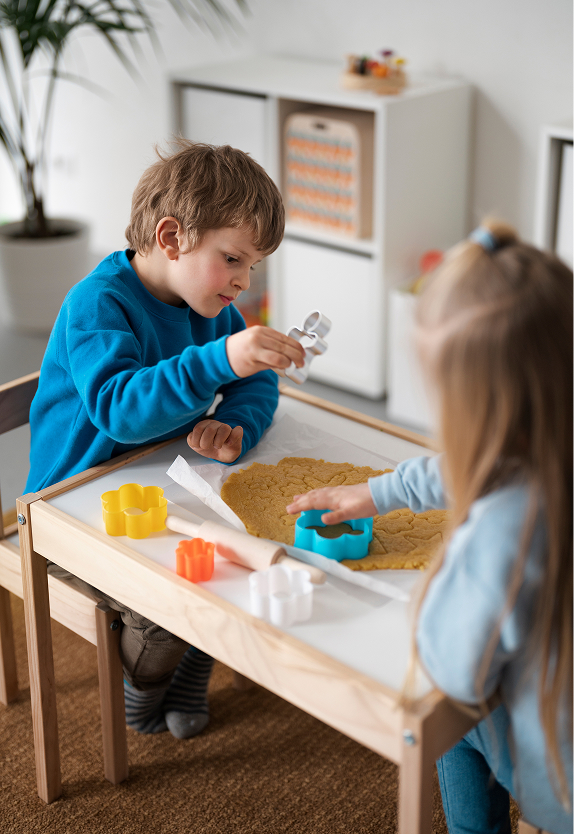
The Power of Learning in the First 5 Years
Between the ages of 1 and 5, children’s brains are primed for growth. During these years there are “sensitive periods,” peak windows when children are especially ready to develop certain skills. Learning during these windows is faster and more natural because the brain is most eager to absorb specific types of knowledge.
Here are a few key areas and the ages when children are most ready to develop them:
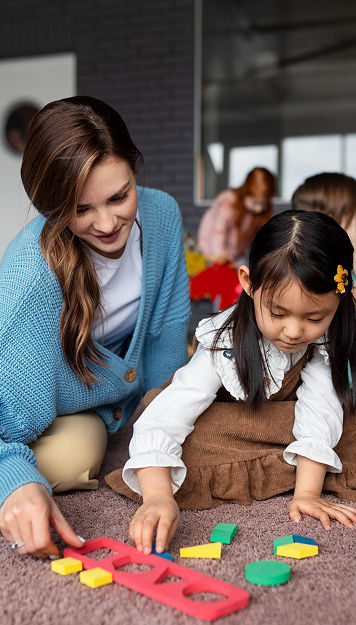
01
Peak Ages 0–3
From cooing as infants to speaking in full sentences by preschool, children acquire language at lightning speed in the first 3 years. By around age 3, many can use hundreds of words and simple sentences, reflecting how rich their language environment has been. Supporting language growth early, for example by narrating daily activities or reading bedtime stories, lays strong foundations for later reading and writing.
02
Peak Ages 2–4
Between ages 2 and 4, children begin grasping numbers and simple math concepts. They move from basic counting (“1-2-3!”) to understanding ideas like more vs. less, big vs. small, and simple patterns. Playful experiences such as stacking blocks or pouring water into cups lay the groundwork for future math skills. Early, positive exposure helps children feel confident long before formal math lessons begin.
03
Peak Ages 2–4
At this stage, children shift from parallel play to truly interacting with peers. They learn to take turns, cooperate on small projects, and empathize with friends. With gentle guidance, children build the social toolbox they will carry for life, including how to make friends, resolve conflicts, and collaborate in groups.
04
Peak Ages 0–2
Even before speech develops, babies are learning about emotions. The first 2 years are crucial for building trust, emotional security, and self-control. By around age 2, toddlers start recognizing their own feelings and those of others, though they still need support managing big emotions. Responsive caregiving, such as comforting an infant or calmly redirecting a toddler, helps children learn how to cope. These early gains in emotional intelligence shape how children handle social and emotional challenges in the years to come.
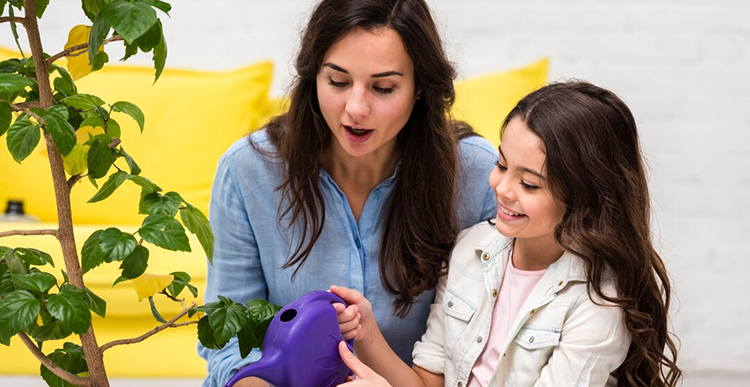
Early Learning Shapes Brighter Futures
Research shows that the earliest years of life shape the foundation for future success. Children who experience high-quality early learning enter kindergarten more confident and prepared, and continue to achieve stronger outcomes well into adulthood. Studies confirm that early education is linked to higher test scores, improved social-emotional skills, and higher high school graduation rates. Later in life, these same children are more likely to pursue higher education, enjoy fulfilling careers, and contribute positively to their communities.
At NINI Early Learning, we view these findings as a call to action. By offering purposeful, play-based experiences during this critical window of brain development, we help children build resilience, curiosity, and confidence. The benefits extend beyond academics, supporting lifelong health, well-being, and a love of learning. Early investment in children’s growth is one of the most powerful ways to ensure brighter futures for families and society.
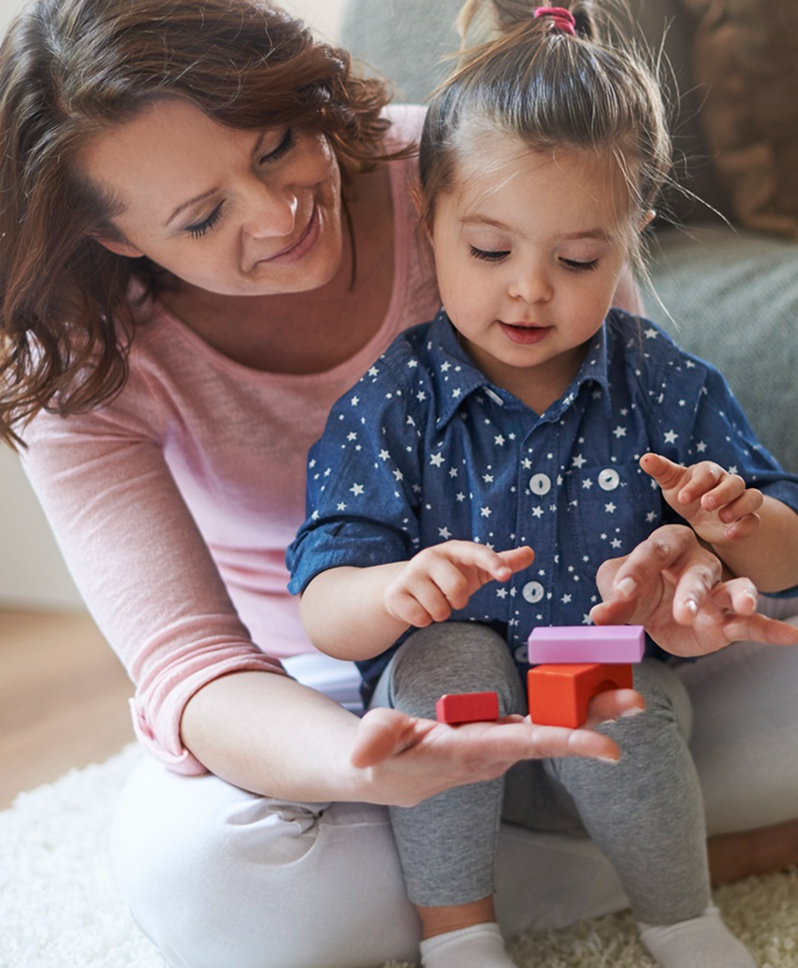
Beyond Loving Care: How Education Transforms the Earliest Years of Life.
Loving care is at the heart of every child’s journey, but thriving requires more than kindness alone. Growth happens when care is combined with intentional, research-informed learning experiences. The first five years are a time of extraordinary brain development, when children form the neural connections that shape thinking, emotions, and relationships. What happens during these years sets the trajectory for lifelong learning.
That is why NINI’s curriculum goes beyond supervision. Rooted in neuroscience and aligned with trusted early learning frameworks, our approach integrates play with academic foundations in language, STEM, creativity, movement, and social-emotional development. Each day, educators create opportunities for children to practice critical skills such as communication, problem-solving, and self-regulation in a joyful and nurturing environment.
When children receive both the warmth of care and the richness of a purposeful curriculum, they not only feel secure but also discover their potential. At NINI, we see care and education as inseparable partners in helping every child flourish.